Before diving in, I should explain my criteria. I’ve been to nearly every major Spanish city (and plenty of minor ones), but these five consistently delivered that magical combination of jaw-dropping beauty, authentic local culture, and practical accessibility for travelers.
Why These 5 Cities Made My List
I’m not talking about places that look good in photos but feel soulless in person. These are cities where I’ve spent weeks, not days – places where I’ve grocery shopped, done laundry, and experienced the daily rhythms alongside locals. Each one offers something unique: medieval charm, coastal sophistication, Moorish grandeur, cosmopolitan energy, or spiritual tranquility.
Most importantly, these are all cities where first-time Spain visitors can realistically base themselves and have an incredible experience. No remote mountain villages that require three bus transfers – just beautiful, accessible cities with great transport connections and accommodation options for every budget.
1. Sevilla – The Soul of Andalusia

¡Dios mío!, where do I even start with Sevilla? This city hit every travel publication’s 2026 must-visit list for good reason – it’s the Spain of your dreams made real. Walking through the Santa Cruz neighborhood at 8pm on a random Tuesday, listening to impromptu flamenco guitar drifting from a tiny bar while the scent of jasmine mingles with frying garlic… this is why people fall in love with Andalusia.
The Alcázar palace complex absolutely destroyed me. I’d seen photos, sure, but standing in those intricate courtyards with afternoon light filtering through geometric arches? No camera captures that feeling. The cathedral is equally overwhelming – when you realize you’re looking at the world’s largest Gothic structure, your neck starts hurting from craning upward. Book tickets in advance unless you enjoy 90-minute queues in 35°C heat (learned that lesson the hard way).
But honestly, Sevilla’s magic isn’t in the monuments – it’s in neighborhoods like Triana across the river, where I’d wander into ceramic workshops and emerge three hours later with a hand-painted azulejo tile and a new friend. The tapas culture here is the real deal too. Forget fancy restaurants; I had my best meals standing at zinc bars, paying €2 for jamón ibérico that would cost €20 in Madrid.
Getting there: Airport taxi costs €5-8 to city center, tram connections are excellent
Best time: April-June and September-November – avoid July/August unless you enjoy melting
Budget estimate: €60-80/day mid-range, €120+/day luxury
Fair warning: Sevilla can feel overwhelming during Semana Santa (Easter week) when half of Spain descends on the city. I learned this when my usual €80 hotel room suddenly cost €300 and I couldn’t find a restaurant table without a two-hour wait. But catch it during shoulder season? Pure perfection.
2. San Sebastián – Coastal Elegance Meets Culinary Excellence
The first time I saw La Concha beach from Monte Urgull, I literally stopped walking. That perfect crescent of golden sand embraced by Belle Époque architecture with the Cantabrian Sea stretching to the horizon? It’s criminally beautiful. But what kept me returning to San Sebastián wasn’t just the postcard views – it was discovering that this elegant coastal city happens to have the highest concentration of Michelin stars per capita in the world.
The pintxos culture in the Parte Vieja (old town) became my obsession. Every evening, I’d join the locals on their txikiteo – hopping from bar to bar, sipping txakoli wine and sampling miniature culinary masterpieces perched on toothpicks. At Bar Nestor, I’d wait an hour for their legendary tortilla, served twice daily and worth every minute of anticipation.
Peak season (July-September) transforms this sophisticated city into tourist central, with hotel prices tripling and restaurant reservations impossible to secure. I made that mistake once and spent €200 on a mediocre hotel room facing a parking lot. But visit during May or June? You’ll have those golden sand beaches practically to yourself, perfect weather for beach walks, and restaurant tables available without booking three weeks in advance.
Getting there: Fly into San Sebastián Airport (20km) or Bilbao (105km with bus connections until 23:45)
Best time: May-June for perfect weather and manageable crowds
Budget estimate: €80-120/day mid-range (much more in peak summer)
Real talk: San Sebastián isn’t cheap. This is where wealthy Spaniards and French take their summer holidays, and prices reflect that reality. But the quality of everything – from hotel service to restaurant standards – justifies the premium. Just book well ahead and avoid peak season unless money isn’t a concern.
3. Granada – Where Moorish Dreams Meet Reality
Standing in the Patio de los Leones at sunset, watching light and shadow dance across those impossibly intricate arches while water trickled from marble lion mouths, I finally understood why Washington Irving called the Alhambra “a palace that might have been erected by genii.” Granada is pure architectural fantasy made stone and tile.
But here’s what guidebooks don’t tell you: the Alhambra is just the beginning. The Albaicín neighborhood, a UNESCO World Heritage maze of narrow cobblestone streets and white-washed houses, offers sunset views of the palace that are honestly better than the views from inside. I’d climb to Mirador San Nicolás most evenings, joining guitar-strumming locals and wide-eyed tourists watching the Alhambra turn golden against the Sierra Nevada backdrop.
The university energy gives Granada an edge that other monument-heavy cities sometimes lack. Carrera del Darro, following the river through the historic center, buzzes with student bars and late-night energy. I discovered that Granada still maintains the tradition of free tapas with drinks – order a beer and receive a small plate of food. In touristy areas it might be olives and cheese, but venture into student neighborhoods and you’ll get proper mini-meals.
Getting there: Bus C30 connects city center to Alhambra, walking is best for exploring neighborhoods
Best time: April-June and September-November – winters can be surprisingly cold
Budget estimate: €50-70/day mid-range thanks to free tapas culture
Essential Alhambra advice from someone who’s made every possible mistake: book tickets minimum two weeks ahead online, choose afternoon slots to avoid morning tour groups, and wear comfortable shoes because you’ll walk for hours on uneven surfaces. The €14 ticket is the best value in European tourism, but only if you can actually get one.
4. Barcelona – More Than Gaudí (But Gaudí Too)
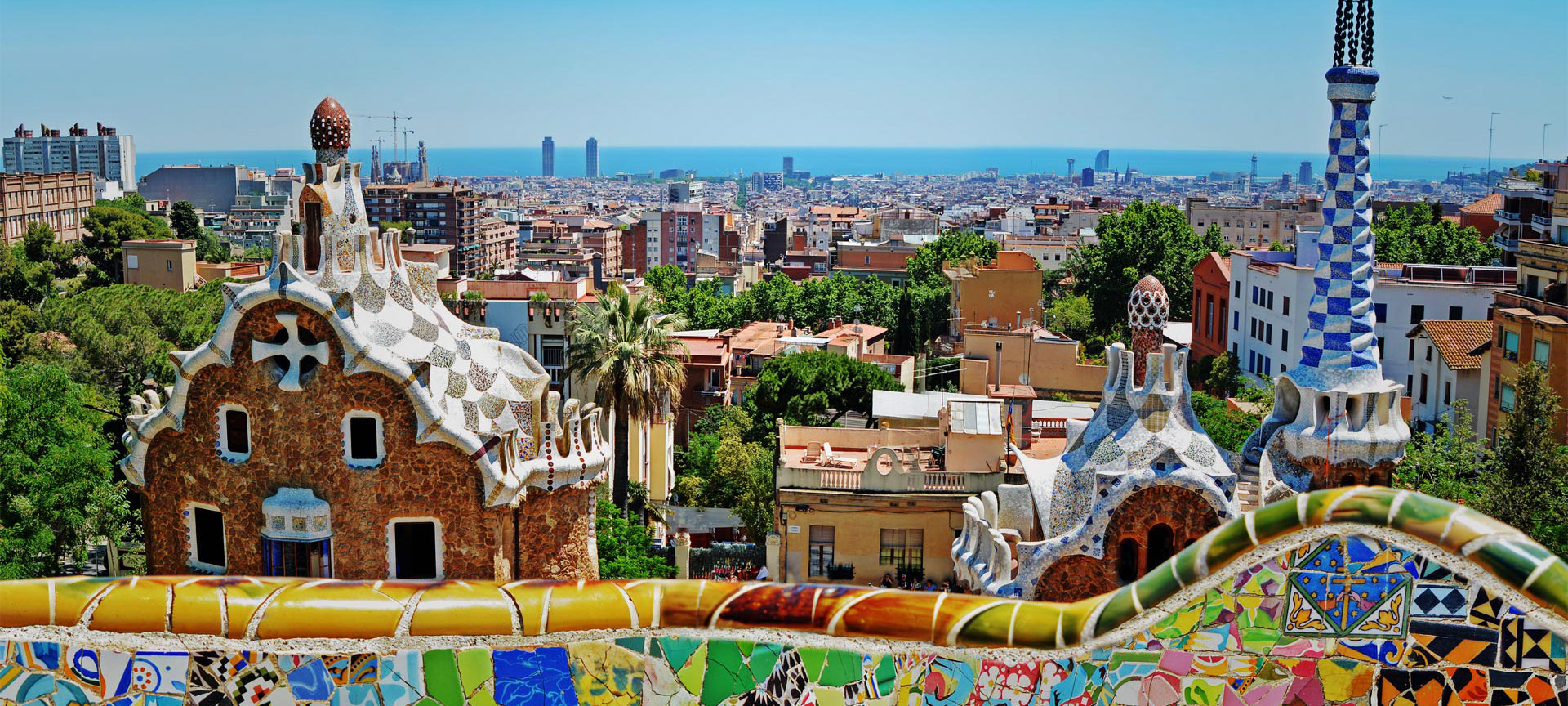
The New York Times specifically highlighted Barcelona’s Poblenou neighborhood for 2026, and honestly, they’re onto something. While everyone obsesses over the Gothic Quarter’s tourist-trap restaurants and Gaudí’s crowded masterpieces, Poblenou offers the Barcelona locals actually live in – converted industrial spaces, innovative restaurants, and beaches you can actually enjoy without fighting for towel space.
Don’t get me wrong, I still get goosebumps entering the Sagrada Família. Gaudí’s unfinished cathedral remains genuinely breathtaking, especially if you catch morning light streaming through those jewel-toned windows. But after five visits, I’ve learned to appreciate Barcelona’s layers: Roman ruins beneath the Gothic Quarter, Modernist mansions along Passeig de Gràcia, and contemporary architecture in districts like 22@.
The beach city aspect surprised me initially. European capitals aren’t supposed to have legitimate Mediterranean coastline 10 minutes from downtown, but Barcelona delivers. Barceloneta beach gets packed, but walk 20 minutes north to Bogatell or Nova Icària for swimming without the sardine-can experience. Having breakfast at a beachfront chiringuito then exploring Gaudí architecture by afternoon? That’s the Barcelona advantage.
Getting there: El Prat Airport offers metro, bus, and taxi options to city center
Best time: May-June and September-October for ideal weather and manageable crowds
Budget estimate: €70-100/day mid-range, can be expensive in peak summer
Barcelona reality check: Las Ramblas is a tourist nightmare of overpriced paella and pickpockets. Skip it entirely and explore neighborhoods like Gràcia or Sant Antoni instead. Also, book Sagrada Família and Park Güell tickets online – showing up hoping to buy at the door guarantees disappointment.
5. Santiago de Compostela – Pilgrimage’s End, Journey’s Beginning
Walking into Santiago’s Plaza do Obradoiro at dawn, watching the cathedral’s baroque façade emerge from morning mist while early-arriving pilgrims embraced and wept after completing their Camino journey, I understood why this city has drawn travelers for over 1,000 years. Even if you haven’t walked a single kilometer of pilgrimage route, Santiago’s spiritual energy is palpable.
The cathedral itself is magnificent – all soaring stone and intricate detail that took centuries to complete. But Santiago’s true beauty lies in its medieval old town, a UNESCO World Heritage labyrinth of granite buildings, hidden plazas, and covered arcades that have remained essentially unchanged since the Middle Ages. I’d get lost for hours in those narrow streets, discovering tiny bars serving Galician wine and pulpo (octopus) that locals swear by.
Galician culture feels distinctly different from the rest of Spain. The green, misty landscapes remind me more of Ireland than Andalusia, and the local language (Galego) adds another layer of cultural richness. Seafood here is extraordinary – we’re talking Atlantic coast freshness at prices that would make coastal California weep with envy.
Getting there: Railway station 1.5km from city center, regular train connections to Madrid and Porto
Best time: April-October for best weather, avoid Semana Santa for smaller crowds
Budget estimate: €40-60/day mid-range – excellent value compared to other Spanish cities
Santiago offers something increasingly rare: authentic medieval atmosphere without feeling like a museum. Yes, pilgrims and tourists come in waves, but locals still live and work here, kids still play in the plazas, and life continues as it has for centuries. It’s genuinely magical, especially if you’re someone who appreciates history and spiritual significance.
Planning Your Spanish City-Hopping Adventure
If you’re planning to visit multiple cities, Spain’s excellent train network makes it surprisingly easy. The high-speed AVE connects Madrid to Sevilla (2.5 hours), Barcelona (2.5 hours), and other major cities. My favorite route starts in Barcelona, continues through Madrid to Sevilla, then up to Granada, with internal flights filling gaps where train connections aren’t practical.
Budget 2-3 days minimum per city to experience more than just monument-hopping. Five days in each location lets you settle into local rhythms and discover neighborhoods beyond tourist zones. Spring (April-June) and fall (September-November) offer the best combination of weather, reasonable prices, and manageable crowds.
For accommodation, I’ve learned to book well ahead in popular destinations and splurge occasionally on centrally located places that let you walk everywhere. The time and energy saved on transport often justifies the extra cost, plus you’ll experience each city more authentically when you’re staying in historic centers rather than suburb hotels.
Budget for Spanish Cities
| Category | Budget | Mid-Range | Luxury |
|---|---|---|---|
| Accommodation (per night) | €25-45 | €60-120 | €150+ |
| Meals (per day) | €15-25 | €35-50 | €80+ |
| Transport (per day) | €5-10 | €10-20 | €30+ |
| Activities | €5-15 | €15-30 | €50+ |
| Daily Total | €50-95 | €120-220 | €310+ |
Money-Saving Tips
- Book accommodations early for better rates, especially in Sevilla and San Sebastián
- Eat lunch menus del día instead of dinner – same quality food for half the price
- Use public transport day passes in larger cities like Barcelona and Madrid
- Visit major attractions during off-peak hours to avoid crowds and sometimes get discounts
Frequently Asked Questions
What’s the most beautiful city in Spain?
Based on my experiences, Sevilla offers the most quintessentially beautiful Spanish experience – incredible architecture, vibrant culture, and that magical Andalusian atmosphere. But beauty is subjective, and each of these cities offers something different.
How many days do you need in each Spanish city?
I recommend minimum 2-3 days per city for highlights, but 4-5 days lets you really explore neighborhoods and settle into local rhythms. Granada needs at least 2 days just for the Alhambra and Albaicín properly.
What’s the best time of year to visit Spanish cities?
April-June and September-November offer the best balance of weather, prices, and crowds. Avoid July-August in southern cities like Sevilla unless you handle extreme heat well.
Which Spanish city is best for first-time visitors?
Barcelona offers the most variety – beaches, architecture, great food, and excellent transport connections. It’s also the most international, making it easier for nervous first-time Spain visitors.
How do you travel between Spanish cities?
Spain’s AVE high-speed trains connect major cities efficiently. For routes not covered by train, domestic flights are affordable and quick. Renting a car makes sense for exploring multiple smaller destinations.
These five cities represent Spanish beauty in all its forms – from Moorish palaces to Gothic cathedrals, from coastal elegance to medieval mysticism. Each one has left permanent marks on my memory and my heart. The question isn’t whether you should visit them, but which one you’ll fall in love with first.
Trust me, once Spain gets under your skin, you’ll keep finding excuses to return. I certainly have.