I’ll be brutally honest with you – the first time I arrived at Cala Galdana three summers ago, I nearly turned around and left. After a 15-minute hike downhill with my beach bag, expecting the pristine paradise I’d seen on Instagram, I was greeted by what looked more like a Spanish Benidorm than an untouched Balearic cove. The water had that telltale greenish tint, there were literally hundreds of people crammed onto the sand, and the whole scene felt more theme park than natural wonder.
But here’s the thing – I’m glad I stayed. Because despite its very real problems (and ¡Dios mío!, there are problems), Cala Galdana taught me something important about travel expectations versus reality. Sometimes the most controversial destinations are worth understanding, even if they’re not worth loving.
What They Don’t Tell You About Cala Galdana
Let me start with the uncomfortable truths that most travel guides conveniently skip. Cala Galdana has been dealing with environmental contamination connected to urbanization for decades – this isn’t new, and it’s not getting better quickly.
During my August visit last year, the water quality was… questionable. I watched families with small children playing in water that had that distinctive yellow-green murky appearance with what honestly looked like an oily film on the surface. Recent data from the Balearic Sea Report shows contamination incidents across Menorca’s beaches doubled in 2025 compared to 2024, and Cala Galdana, being the most developed beach on the south coast, isn’t immune to these issues.
The commercialization is intense too. This isn’t some hidden gem – it’s a full-blown resort beach with all the charm that implies. By 11am in summer, you’re playing towel Tetris with half of Europe, and the sound of jet skis drowns out any illusion of natural serenity.
The Reality Check: When Cala Galdana Disappoints
I’ve learned to manage my expectations over the years, but Cala Galdana can still catch you off guard. The parking situation alone is enough to test your vacation zen – there’s parking available, but then you face a 10-15 minute trail with stairs that’ll have you questioning your packing choices.
The water quality varies dramatically depending on when you visit. In my experience, late August and September are particularly rough – the combination of high water temperatures and increased pollution from peak season tourism creates conditions that are, honestly, pretty gross. I’ve seen the water look stunning and crystal clear in early June, then return in August to find it murky and uninviting.
Fair warning: if you’re looking for that authentic, untouched Mediterranean beach experience, this isn’t it. The beach is lined with umbrellas for rent, there are multiple beach bars pumping music, and during peak hours it feels more like a water park than a natural cove.
But Here’s Why People Still Love It
Despite everything I just told you, I keep coming back to Cala Galdana – and I’m not alone. Here’s what it gets right.
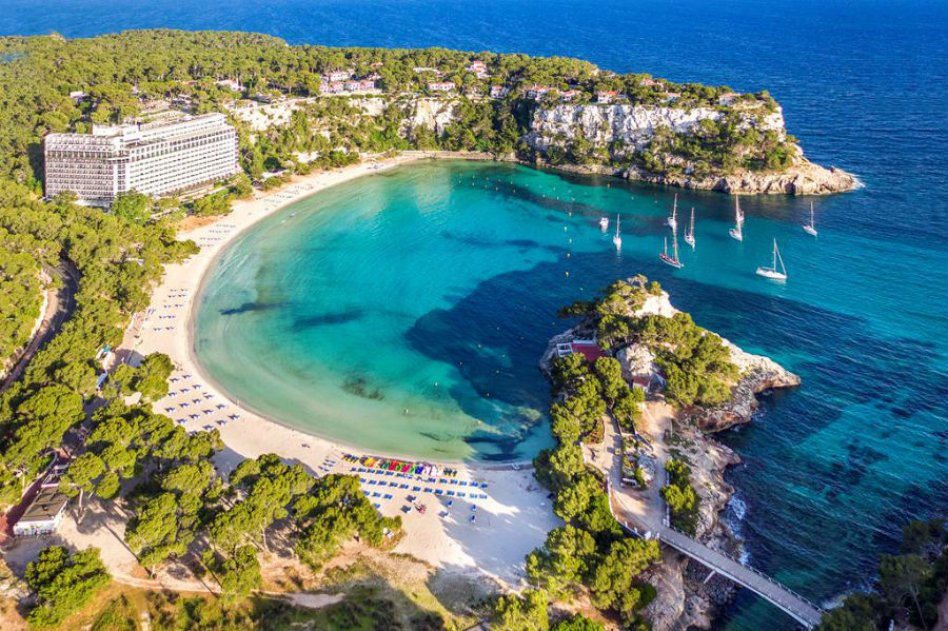
The setting is genuinely spectacular. This horseshoe-shaped cove carved into white limestone cliffs creates a natural amphitheater that’s undeniably beautiful. When you catch it at the right time – early morning or late afternoon when the crowds thin out – you understand why people fall in love with this place.
For families, the shallow, generally calm waters make it one of the safest swimming spots on Menorca. I’ve watched toddlers splash around confidently in water that barely reaches their waists, while their parents actually get to relax instead of playing lifeguard.
The infrastructure, while contributing to the commercialization, also makes it incredibly convenient. There are clean bathrooms, multiple restaurants within walking distance, and if you forget sunscreen or need a cold drink, you won’t have to trek back to town.
Smart Strategies to Enjoy Cala Galdana
If you’re determined to visit (and I understand why you would be), timing is everything. I’ve had my best experiences arriving by 8am or after 5pm. Early morning means you get parking without drama and can actually choose your spot on the beach. Late afternoon offers gorgeous light for photos and a more relaxed vibe as day-trippers head home.
Pack smart for that hike down. A lightweight beach bag is essential – trust me, you don’t want to be hauling a cooler and five towels down those stairs in July heat. Bring water shoes too; the rocky areas can be sharp, and they’ll also protect your feet if the sand gets uncomfortably hot.
My biggest tip? Use Cala Galdana as your base but don’t limit yourself to this beach. Some of Menorca’s most beautiful and less crowded coves are within a 20-minute drive. Think of it as your comfortable home base rather than your main attraction.
Where to Stay: Hotels Near Cala Galdana
The accommodation situation in Cala Galdana is pretty much what you’d expect from a resort town – convenient but not particularly charming. I’ve stayed at both main options, so let me give you the real story.
Price range: €80-90 per night in peak season
Book flights: Check flights to Menorca (MAH)
Best booking strategy: Book early May for summer visits
The Meliá Cala Galdana is the big beachfront option – you literally walk out the door onto the sand. The location is unbeatable, and it’s genuinely family-friendly with kids’ clubs and pools. But service can be hit-or-miss (I had a room with a broken AC in August that took two days to fix), and during peak season it feels like a small city.
ARTIEM Audax targets the adults-only market and delivers a more sophisticated experience. The rooms are modern, the pool area is actually relaxing, and you’re still close enough to walk to the beach. The downside? You’re paying premium prices for what’s essentially a nice but not exceptional hotel experience.
Honestly, if I were planning another trip, I’d probably stay in Ciutadella and drive to Cala Galdana for day visits. You get a more authentic Menorcan experience and can explore multiple beaches without being tied to one potentially disappointing spot.
Getting There: The Transportation Reality
Let’s talk logistics, because getting to Cala Galdana isn’t as straightforward as you might hope. Menorca Airport (MAH) is about 35km away, and while that doesn’t sound like much, your transport options are limited.
The airport bus (Line 10) only goes to Mahón Bus Station, meaning you’ll need to change buses to reach Cala Galdana. Total journey time? Around 90 minutes with connections, assuming you time it right. I tried this once and spent more time waiting for connections than I did on actual buses.
Most visitors end up renting a car or booking private transfers. Car rental gives you flexibility to explore other beaches (which I highly recommend), while transfers cost around €40-50 each way but deliver you directly to your hotel.
My honest advice? Rent a car. Menorca is small enough that you can reach any beach within 45 minutes, and having wheels opens up so many more options than being stuck in one resort town.
Better Alternatives: When to Skip Cala Galdana
Here’s when I tell people to skip Cala Galdana entirely: if you’re visiting Menorca for just a few days, if you’re traveling in July or August, or if pristine water quality is non-negotiable for you.
Instead, I’d point you toward Cala Macarella and Cala Macarelleta – yes, they require more effort to reach, but the water quality and natural setting are dramatically better. Cala Mitjana is another gem that’s less crowded and feels more authentically Menorcan.
For families specifically concerned about Cala Galdana’s crowds and water quality, consider Cala’n Porter or Son Bou. Both offer better infrastructure than the remote beaches but without the overwhelming commercialization.
If you’re after that Instagram-worthy pristine beach experience, head to the northern coast instead. Cala Pregonda or Cavalleria Beach offer dramatic landscapes and cleaner waters, though with more challenging access.
The Bottom Line: Should You Visit?
After multiple visits over three years, here’s my honest verdict: Cala Galdana works best as part of a broader Menorca experience, not as your main destination. It’s convenient, safe for families, and undeniably beautiful when conditions align.
Visit if you’re staying nearby, want guaranteed facilities and easy access, or are traveling with young children who need shallow, calm water. Skip it if you’re seeking pristine natural beauty, have limited time on the island, or if crowded, commercialized beaches drain your vacation energy.
My approach now? I use Cala Galdana for its convenience – grabbing lunch at one of the restaurants, using the bathrooms, maybe a quick swim if the water looks good. Then I drive 15 minutes to one of the less developed beaches for the real Menorcan experience.
That’s the honest truth about this controversial beach. It’s not the paradise the postcards promise, but it’s not the disaster some reviews make it out to be either. Like most travel experiences, it’s complicated – and that complexity is worth understanding before you make the trek down those stairs.
Frequently Asked Questions
Is Cala Galdana safe for swimming?
Generally yes, thanks to shallow waters and lifeguard presence during peak season. However, water quality can vary – I’d avoid swimming after heavy rains or during late summer when contamination levels are typically higher.
What’s the best time to visit Cala Galdana?
Early morning (before 9am) or late afternoon (after 5pm) from May to October. June and early July typically offer the best balance of good weather and manageable crowds.
How do you get from Menorca airport to Cala Galdana?
Your options are car rental (most flexible), private transfer (€40-50), or public transport via Mahón Bus Station (90+ minutes with connections). I strongly recommend the car rental.
Is Cala Galdana good for families?
The shallow, calm waters and facilities make it family-friendly, but crowds and occasional water quality issues during peak season can be problematic. Consider visiting early in the day or exploring less crowded alternatives nearby.
Why is Cala Galdana water sometimes murky?
A combination of urbanization-related contamination, high summer temperatures, and increased tourism pressure affects water quality. The issue has been documented for decades and tends to worsen during peak season months.